As hybrid work becomes the standard operating model for many organizations, managing office space efficiently has become increasingly complex. Employees split their time between the office, home, and client locations, making flexible workplace reservation systems an essential part of the modern office.
However, this flexibility has introduced a new challenge: ghost bookings.
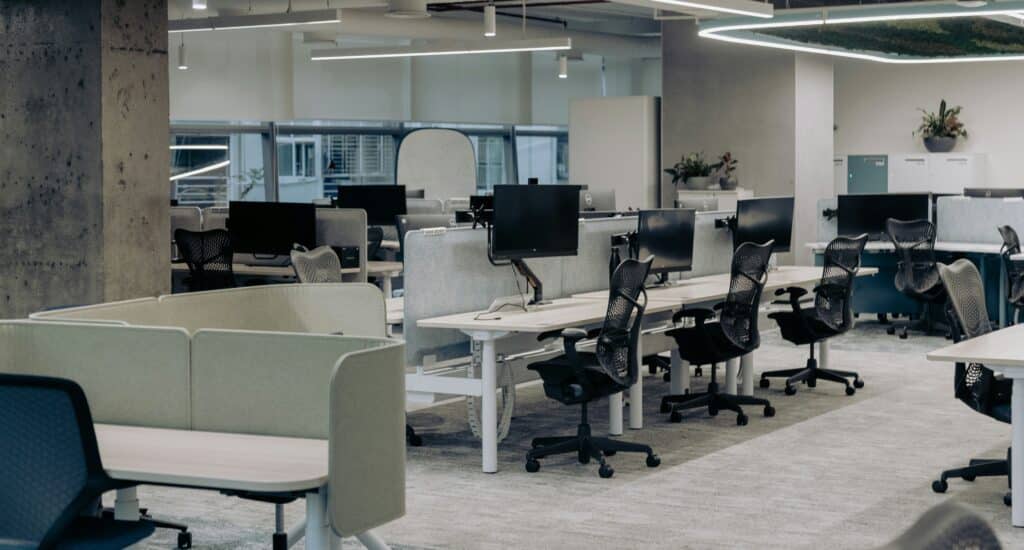
A ghost booking occurs when an employee reserves a desk but never actually uses it and forgets to cancel the reservation. As a result, desks appear occupied in the booking system while remaining physically empty.
This seemingly minor issue can significantly affect office utilization, employee experience, workplace planning, and operational costs.
According to the Microsoft Work Trend Index, hybrid work continues to reshape how organizations use office space, requiring companies to rethink workplace management and occupancy planning.
What Are Ghost Bookings?
Ghost bookings refer to workplace reservations where a desk has been booked but is never occupied.
Common examples include:
- An employee decides to work from home instead.
- A client meeting replaces the planned office visit.
- A business trip is extended.
- The reservation is simply forgotten.
- Multiple desks are booked “just in case.”
Although the desk remains empty, the booking system still marks it as unavailable.
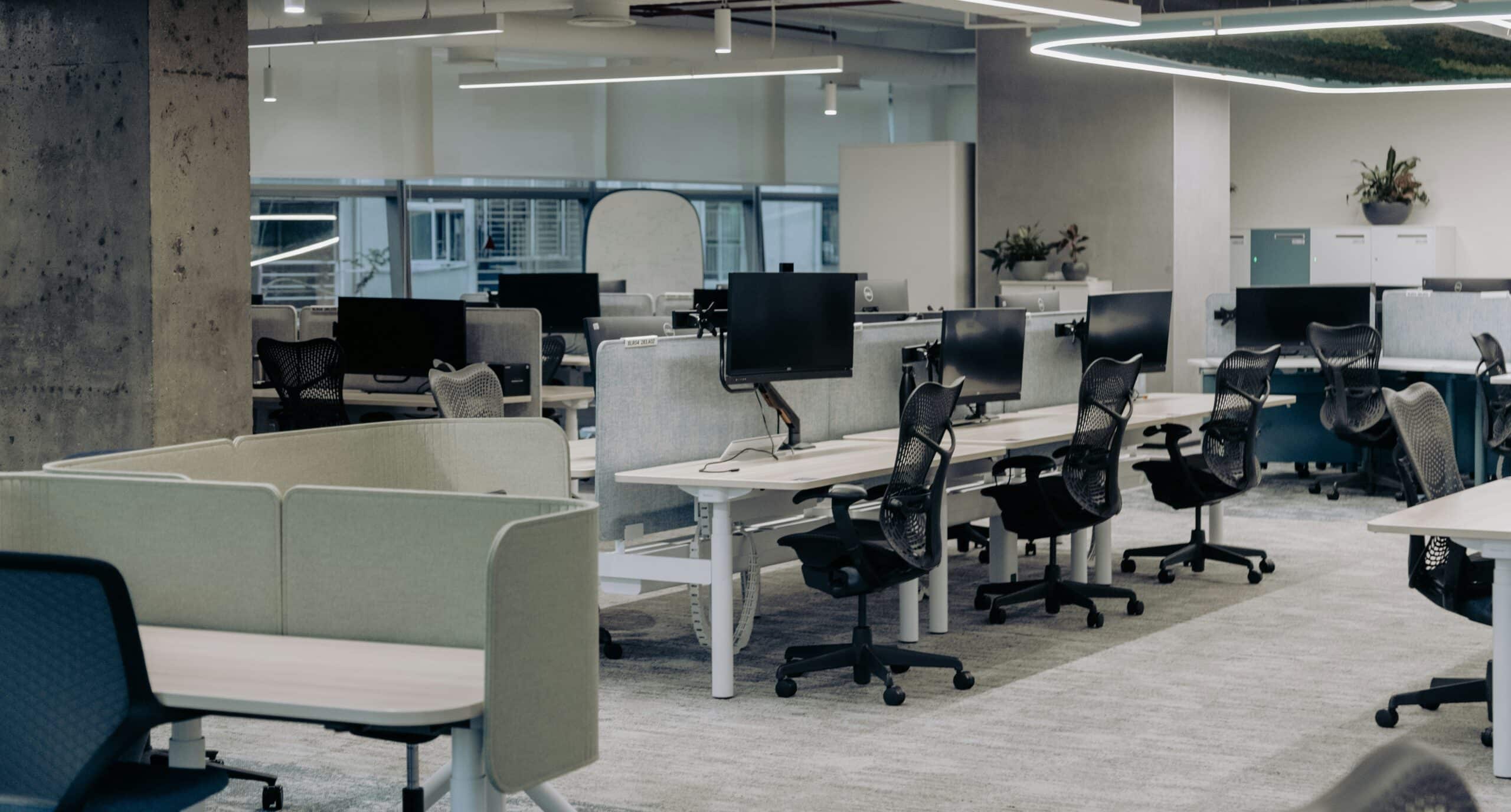
In organizations that operate with desk sharing or flexible seating, this creates a significant mismatch between reserved occupancy and actual occupancy.
Why Ghost Bookings Are Becoming More Common
Hybrid work has fundamentally changed how employees use office space.
Instead of working at a fixed desk every day, employees now choose their workplace based on meetings, collaboration needs, commuting preferences, or personal schedules.
Consequently, daily plans frequently change because of:
- Remote work
- Customer visits
- Business travel
- Sick leave
- Team meetings
- Project work at different locations
If reservations are not updated accordingly, ghost bookings become inevitable.
According to JLL’s Global Future of Work Survey 2024, organizations increasingly rely on workplace technology and utilization data to manage hybrid offices more efficiently, while improving workplace efficiency remains one of the highest priorities for corporate real estate leaders. More than 60% of organizations expect workplace utilization to increase over the next five years, making accurate occupancy data more important than ever.

The Business Impact of Ghost Bookings
1. Inaccurate Workplace Utilization Data
One of the biggest challenges is the gap between reserved desks and desks that are actually occupied.
For example:
- Booking system: 90% occupied
- Reality: Only 65% of desks are actually in use
Without reliable utilization data, workplace decisions become increasingly difficult.
Organizations may overestimate demand and maintain more office space than necessary.
2. Poor Employee Experience
Imagine an employee who wants to come into the office on short notice.
The booking system shows no desks available.
After arriving, they discover that dozens of desks remain empty.
Experiences like this reduce employee trust in workplace reservation systems and discourage office attendance.
Employee experience has become a strategic priority for organizations adopting hybrid work, according to Microsoft’s Work Trend Index. Providing reliable workplace technology is essential for creating productive and engaging office environments.
3. Higher Operational Costs
Every unused desk still generates costs, including:
- Rent
- Electricity
- Cleaning
- HVAC
- IT infrastructure
- Facility management
When office utilization data is inaccurate, organizations often continue paying for underutilized space.
JLL reports that organizations continue investing in office space while simultaneously focusing on operational efficiency and smarter real estate decisions.
4. Poor Strategic Decision-Making
Many workplace decisions depend on occupancy analytics, including:
- Office expansion
- Floor planning
- Cleaning schedules
- Energy management
- Workplace investments
Ghost bookings distort these analytics, leading to poor long-term decisions.
Reliable workplace data has therefore become a cornerstone of modern Corporate Real Estate (CRE) strategy.
Why Traditional Booking Systems Cannot Solve the Problem
Many booking systems answer only one question:
“Who reserved a desk?”
What they fail to answer is:
“Who actually showed up?”
The difference between reservations and actual occupancy creates the ghost booking problem.
Modern workplace management requires occupancy validation rather than simple reservation management.
How Modern Desk Booking Software Prevents Ghost Bookings
Modern workplace platforms bridge the gap between reservation and actual desk usage through intelligent automation.
Employee Check-In
Employees confirm their arrival via mobile app, QR code, or workplace kiosk.
If no check-in occurs within a predefined period, the reservation expires automatically.
This immediately makes the desk available for another colleague.
Automatic Desk Release
Instead of keeping unused desks blocked all day, the system automatically releases them after a configurable period (for example, 30 or 60 minutes).
This significantly improves real workplace availability.
Smart Notifications
Automated reminders encourage employees to:
- Confirm attendance
- Cancel reservations they no longer need
- Update workplace plans
Simple reminders alone can dramatically reduce forgotten reservations.
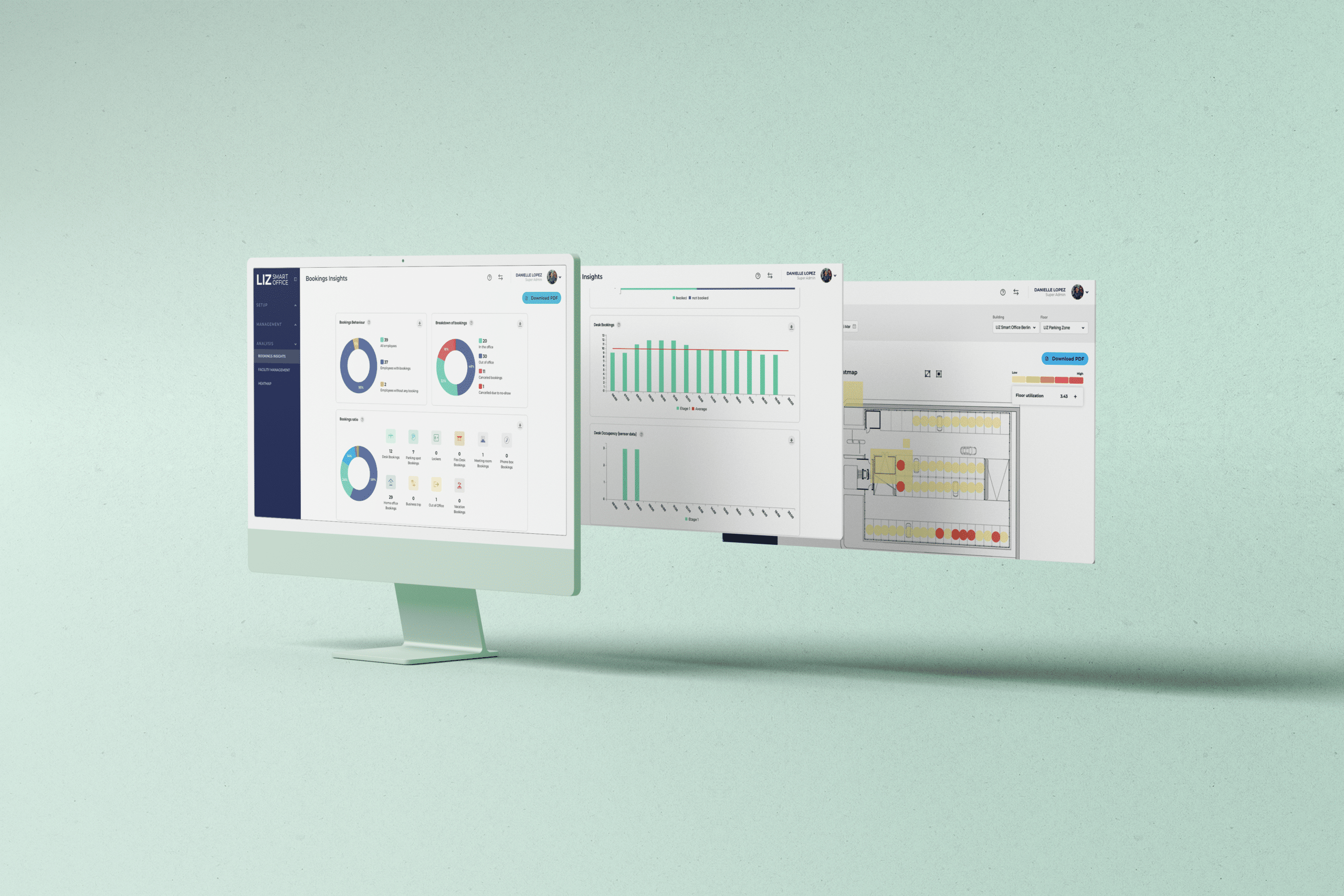
Real-Time Workplace Analytics
Facility managers receive live insights into:
- Reserved desks
- Occupied desks
- Available workspaces
- Utilization rates
- Workplace trends
Benefits of Eliminating Ghost Bookings
Organizations that reduce ghost bookings gain several strategic advantages.
Higher Workplace Utilization
Every available desk can actually be used.
This allows organizations to maximize existing office space before investing in additional capacity.
Better Employee Experience
Employees can trust workplace availability.
Reliable booking systems reduce frustration and encourage office attendance.
Data-Driven Workplace Decisions
Accurate workplace analytics support:
- Portfolio optimization
- Space planning
- Workplace strategy
- Facility management
- Sustainability initiatives
Lower Operating Costs
Improved utilization enables organizations to:
- Optimize office footprints
- Reduce unnecessary facility expenses
- Improve cleaning efficiency
- Lower energy consumption
While savings vary depending on company size and workplace strategy, organizations increasingly use occupancy data to improve real estate efficiency and reduce operational waste.
How LIZ Smart Office Helps Prevent Ghost Bookings
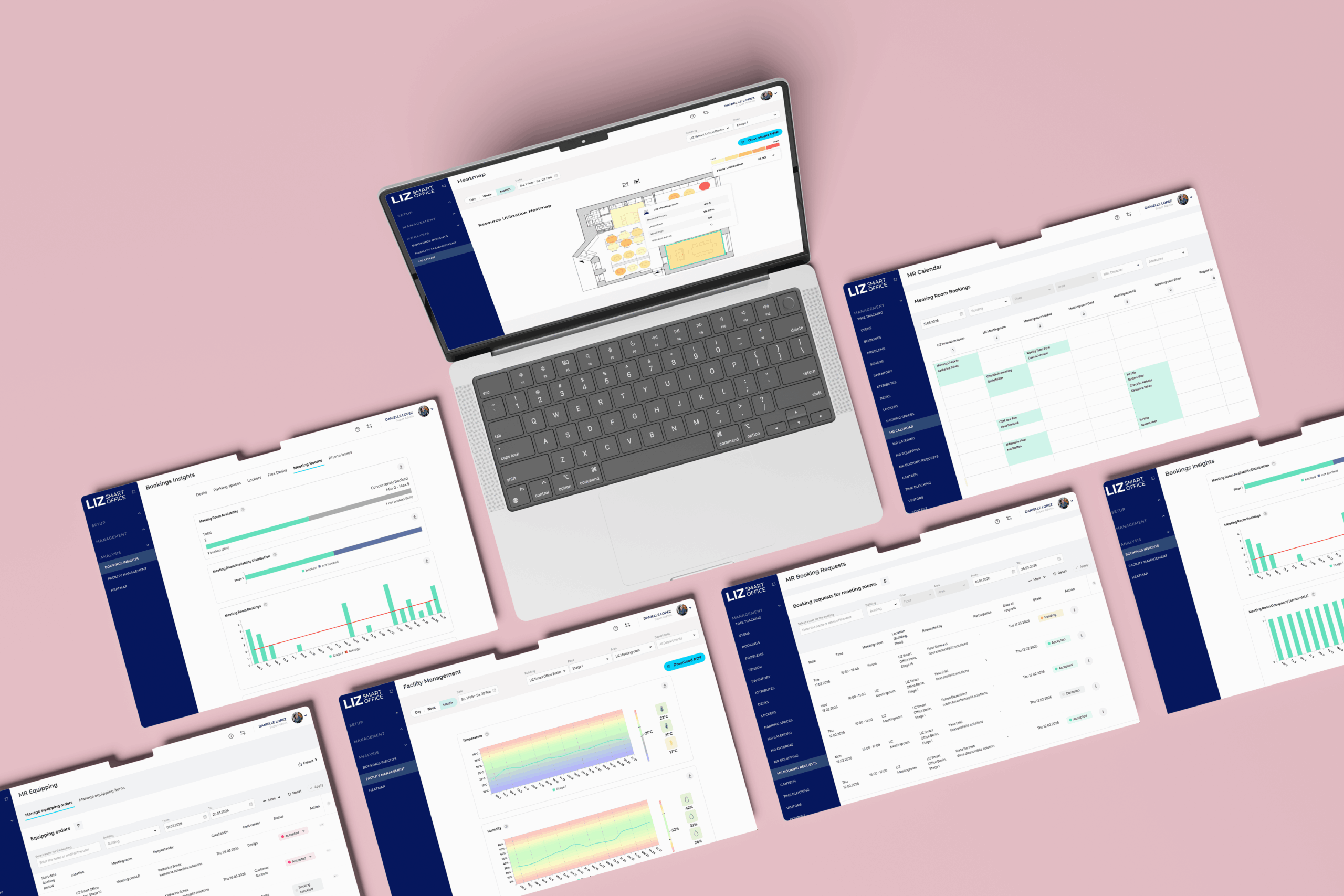
LIZ Smart Office goes beyond simple desk reservations by providing intelligent workplace management tools designed for hybrid organizations.
Key capabilities include:
- Digital desk booking
- Flexible desk sharing
- Real-time workplace availability
- Workplace analytics
- Occupancy transparency
- Data-driven office management
This enables organizations to manage offices based on actual workplace usage, not assumptions.
Best Practices for Reducing Ghost Bookings
Companies can further minimize ghost bookings by implementing clear workplace policies:
- Require employee check-ins.
- Send automated booking reminders.
- Make cancellations quick and easy.
- Automatically release unused reservations.
- Regularly review workplace analytics.
- Educate employees about responsible booking behavior.
- Continuously optimize booking rules based on occupancy data.
Conclusion
Ghost bookings are one of the most overlooked challenges of hybrid work.
Although they may appear harmless, they reduce workplace efficiency, create inaccurate occupancy data, frustrate employees, and increase operational costs.
By implementing an intelligent desk booking solution with check-ins, automated desk release, and real-time workplace analytics, organizations can dramatically improve office utilization while delivering a better employee experience.
LIZ Smart Office helps organizations transform workplace data into actionable insights, enabling smarter office management and a more efficient hybrid workplace.
FAQ
Frequently Asked Questions
A ghost booking is a workplace reservation where an employee books a desk but never uses it and does not cancel the reservation.
They reduce workplace efficiency, distort occupancy data, block available desks, and may increase operational costs.
Organizations can implement employee check-ins, automatic reservation release, reminder notifications, and real-time workplace analytics.
Reliable occupancy data supports better workplace planning, improves employee experience, and helps organizations optimize office space and operational costs.