
The debate surrounding the return to the office (RTO) is dividing companies worldwide. Whilst some organisations want to bring staff back to the office full-time, others are committing to hybrid models in the long term. But which return-to-office strategies actually work?
Reality shows that rigid office requirements alone rarely lead to higher productivity or better collaboration. Successful companies instead combine flexibility, data-driven decision-making and an attractive employee experience.
In this article, you will learn:
- Why companies want to bring staff back to the office
- Which RTO strategies fail
- Which measures really work
- Which figures and studies support current developments
- How companies can make hybrid working a sustainable success
What does ‘Return to Office’ (RTO) mean?
“Return-to-office” refers to strategies and measures that companies are using to bring staff back into the office more frequently following the widespread period of working from home.
There are various models for this:
- a full return to the office
- hybrid working models
- flexible attendance policies
- team-based office quotas
- activity-based working
Since 2024 in particular, many companies have been tightening their attendance requirements once again.
According to data from the World Economic Forum,the proportion of companies with mandatory office policies rose from 63% at the start of 2023 to 75% by the end of 2024.
Why Companies Are Increasing Office Attendance Requirements
The most common reasons include:
- Better collaboration
- Stronger company culture
- Faster innovation
- Higher productivity
- Improved onboarding of new employees
Many executives believe that face-to-face collaboration is more creative and efficient.
For example, an MIT study found that a 25% reduction in in-person interactions can lead to an 8% decline in patent citations.
Microsoft research has also shown that fully remote teams tend to operate in more isolated silos and experience fewer opportunities for spontaneous collaboration.
The Problem with Many Return-to-Office Strategies
Despite these intentions, many RTO initiatives fail.
Why?
Because organizations often focus solely on enforcing attendance without redefining the actual value of the office.
According to McKinsey:
“Success is determined not by where people work, but by the quality of the work environment.”
Many organizations underestimate factors such as:
- Employee needs
- Demand for flexibility
- Commuting times
- Digital workflows
- Cultural transformation

What Employees Really Want
Flexible work is no longer considered a perk—it has become an expectation.
According to a study by the Pew Research Center, 46% of employees would actively look for a new job if remote work options were completely eliminated.
Research from Germany’s ifo Institut also shows that:
- 24.4% of employees in Germany still work remotely at least part of the time
- This figure has remained largely stable since 2022
- Younger and fast-growing companies continue to rely heavily on flexible work arrangements
The reality is clear: Hybrid work is here to stay.
Why Strict Office Mandates Often Fail
Many organizations implement fixed attendance requirements, such as three to five office days per week. However, studies increasingly reveal negative consequences.
Higher Employee Turnover
Researchers analyzed workforce data from major technology companies, including Microsoft, Apple, and SpaceX.
The findings showed that:
- RTO mandates reduced employee retention
- Experienced employees were particularly likely to leave for more flexible employers
Top talent often has attractive alternatives in today’s labor market.
Lower Satisfaction and Motivation
According to BetterUp data, employees subjected to mandatory office returns report higher levels of:
- Stress
- Burnout
- Reduced productivity
- Lower trust in their employer
- Decreased sense of belonging
Gartner research confirms that poorly managed RTO initiatives can significantly reduce productivity.
At the same time, the study found that:
- Effective leadership can increase the likelihood of high productivity by 3.2 times
- Under strong management, 70% of employees are considered highly productive
Return-to-Office Strategies That Actually Work
1. Hybrid Models Instead of Full-Time Office Attendance
The most successful organizations today rely on hybrid work models.
Particularly effective approaches include:
- Two to three designated office days per week
- Flexible team-based arrangements
- A combination of focused work at home and collaboration in the office
A recent study involving more than one million employees identified approximately two remote workdays per week as the optimal balance between:
- Employee retention
- Productivity
- Career development
2. The Office Must Provide Real Value
Employees do not return to the office simply because they are required to.
They return when the office offers meaningful advantages.
Successful organizations therefore invest in:
- Attractive social and collaboration spaces
- Modern meeting rooms
- Creative collaboration zones
- Quiet focus areas
- Better workplace technology
- Stronger social interaction opportunities
As a result, the office evolves from a mandatory workplace into a true collaboration hub.
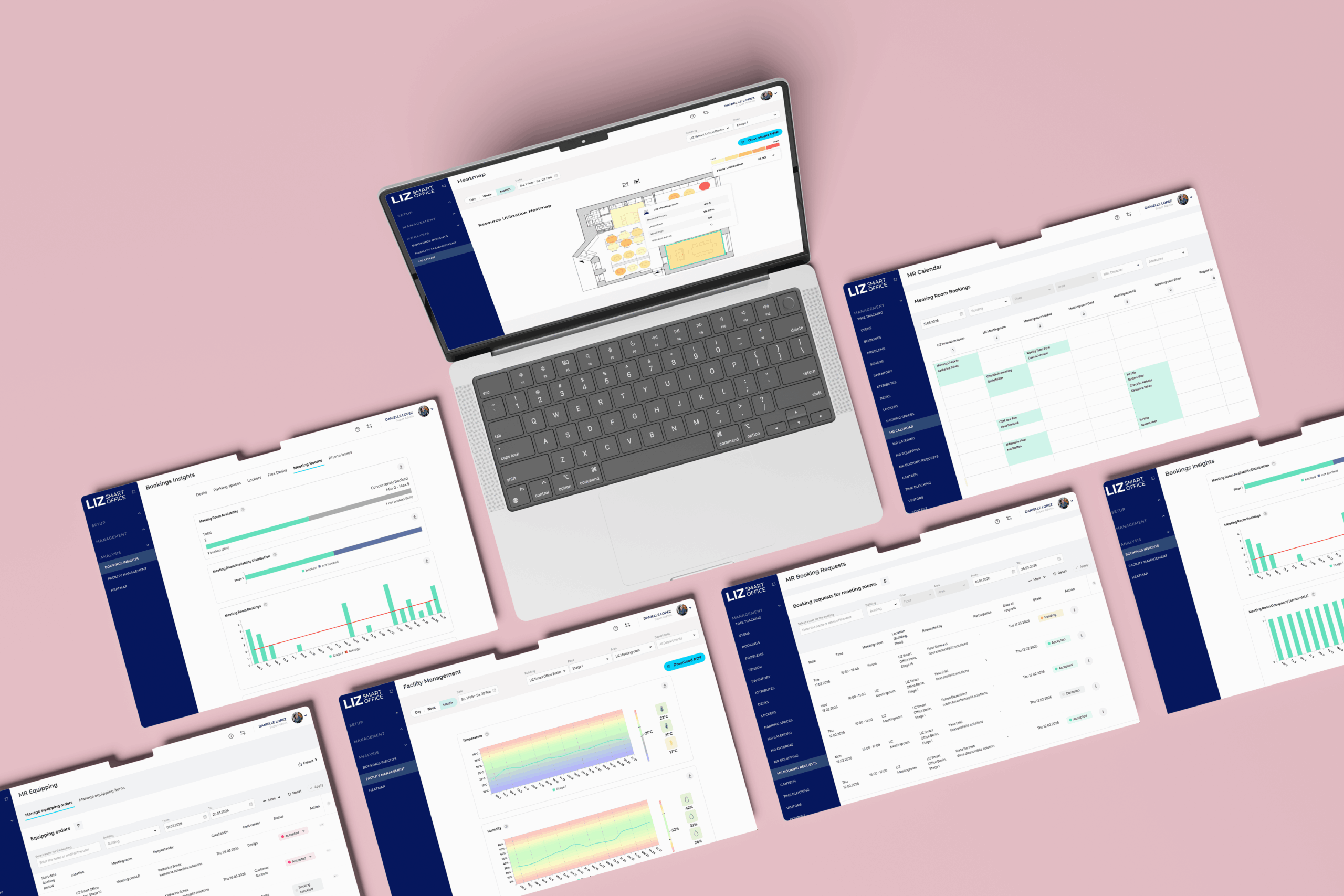
3. Use Data-Driven Workplace Strategies
Many organizations lack visibility into:
- When employees come to the office
- Which spaces are being used
- Which teams collaborate most frequently
- Which rooms are overutilized or underutilized
This is where smart office solutions create value.
Using workplace analytics, organizations can:
- Measure office utilization
- Optimize desk sharing
- Coordinate employee attendance
- Reduce real estate costs
- Improve hybrid collaboration
Data-driven decisions consistently outperform rigid attendance mandates.
4. Train Leaders for Hybrid Work
Hybrid teams require a different leadership approach.
- Successful RTO strategies focus on:
- Clear communication guidelines
- Regular team coordination
- Transparent objectives
- Performance outcomes rather than attendance monitoring
McKinsey emphasizes that successful organizations focus less on mandates and more on effective work practices.
5. Integrate New Employees Intentionally
Studies indicate that fully remote onboarding can weaken long-term employee retention.
An Ericsson analysis found that:
- Employees with shorter tenure were more likely to leave after being onboarded entirely remotely
- Hybrid onboarding models that included mentoring and social integration delivered significantly better outcomes
For new employees in particular, in-person collaboration remains highly valuable.
The Future of Return-to-Office
Most organizations are not returning to the traditional five-day office workweek.
Instead, a new balance is emerging:
- Hybrid work
- Flexible attendance
- Data-driven workplace management
- Intelligent office spaces
- Employee-centric work models
The ifo Institut explicitly states:
“There is no observable trend back toward full-time office attendance.”
Conclusion: Successful Return-to-Office Strategies Prioritize Flexibility Over Mandates
The evidence is becoming increasingly clear:
Attendance requirements alone do not sustainably improve productivity or company culture.
Successful return-to-office strategies are built on:
- Hybrid work models
- Engaging office experiences
- Data-driven decision-making
- Modern leadership
- Clear communication
- Flexible collaboration
Organizations that provide employees with genuine value create long-term benefits, including:
- Higher employee satisfaction
- Stronger retention
- More efficient space utilization
- Better collaboration
- Higher productivity
Smart office solutions such as desk booking, workplace analytics, and intelligent space management help organizations successfully implement modern return-to-office strategies.